Strabismus Surgery Recovery Timeline: Day 1 to Month 6
The question I typed most often before my surgery was not about risks or costs. It was: how long until I am back to normal? I wanted a map, day by day, of what recovery would actually feel like, and most of what I found was either vague or clinical.
So after going through strabismus surgery myself, I wrote the map I was looking for. Below is a realistic strabismus surgery recovery timeline based on my experience and what patients commonly report: what is normal at each stage, what should make you pick up the phone, and the small tricks that made my healing easier.
Before we start, the essential caveat: I am not a doctor or any kind of medical professional, just a former patient. Recovery varies from person to person, your surgeon’s instructions always override anything here, and any concern about your eyes belongs in front of a qualified ophthalmologist.
One more practical thing. I built a recovery timeline calculator that takes your surgery date and lays out these stages on your personal calendar, with estimated dates for follow-ups and milestones. If you have a surgery date booked, it takes about thirty seconds and makes planning time off much easier.
Day 1: The Hardest Day, and Still Very Doable
Surgery day itself is mostly a blur of check-in, anesthesia, and waking up, which I describe hour by hour in my full surgery experience. The recovery clock really starts that evening at home.
What is commonly normal on day one:
- An intensely red eye, far redder than you expect, sometimes with blood-tinged tears
- Aching or soreness, especially when moving the eye, like a strained muscle
- A gritty, scratchy feeling from the dissolving stitches
- Watering, light sensitivity, and a swollen or droopy lid
- Some double vision as the brain meets the new alignment
- Grogginess and nausea from the anesthesia wearing off
My day one strategy was simple: dark room, podcast, cold compress cycles, prescribed drops on schedule, and sleep. I kept my phone out of reach because every glance at the screen felt like sandpaper. Eat something light, drink water, and let the day be a write-off. That is what it is for.
Days 2-3: Sore but Turning a Corner
By the second morning the anesthesia fog was gone and the picture became clearer. My eye was still very red and sore, but it was a predictable soreness rather than an alarming one. These two days were about small wins: showering carefully without getting water in the eye, walking around the block, eating normal meals.
Commonly normal in this window:
- Redness holding steady or looking slightly worse before it improves
- Soreness with eye movement, managed by basic pain relief if your surgeon approves it
- Continued grittiness, watering, and light sensitivity
- Double vision that is starting to shrink, appearing mostly at extreme gazes
- Mild crusting on the lashes in the morning, gently cleaned as instructed
For me, the defining feature of these days was not pain at all, it was the discharge. My eye produced a jelly-like substance instead of normal tears, and every morning started with slowly, gently cleaning sticky eyelids before I could properly open the eye. Uncomfortable and a little unsettling, but my doctors confirmed it was completely normal healing. Screens were possible in small doses for some people at this stage, but I stayed off them entirely.
Week 1: Functional, Red, and Impatient
I will be honest: the first week was the hardest stretch of my recovery, not because of pain, which stayed low, but because of the constant maintenance. The discharge, the sticky mornings needing careful cleaning, the strange pulling sensation whenever I moved the eye to the side while the muscles healed. None of it was severe, all of it was normal, but together it made the week feel long. This is the week you will be glad you scheduled generous time off.
Typical week-one experiences:
- Redness beginning a slow fade from deep red toward pink at the edges
- Soreness reduced to occasional tugs, especially at the end of tiring days
- Screen tolerance improving but still limited, with fatigue arriving fast
- The gritty stitch sensation gradually softening
- A follow-up appointment, where the surgeon checks healing and alignment
That first follow-up mattered more emotionally than medically for me. Hearing everything looks exactly how it should from the person who did the operation converted two weeks of low-grade worry into relief. Write your questions down before you go, because you will forget them in the chair.
Time off varies with how screen-heavy and public-facing a job is. I took two full weeks of sick leave, was back to my normal routine of work, computer, and phone by week three, and consider every day of that leave money well spent. If you are trying to plan your own dates, I break down the specific milestones for driving, work, and screens after surgery in a separate article.
Weeks 2-4: Looking Human Again
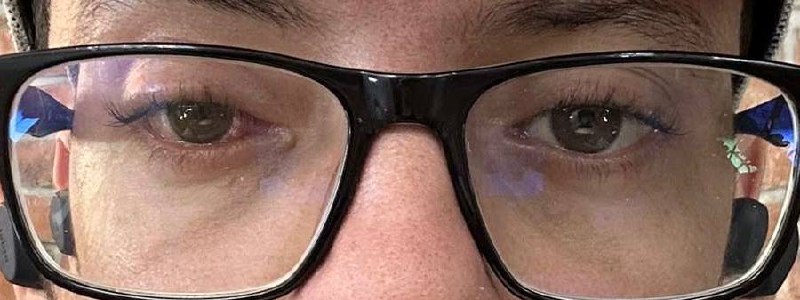
This stretch is when recovery shifts from active to background. My redness faded from angry to pink to a faint blush in the corner, and by week three, people who did not know about the surgery noticed nothing except that something about me looked subtly better.
What is commonly normal here:
- Steadily fading redness, often clearing from the center outward
- Occasional dryness or grit, handled with artificial tears
- Full return to work, screens, and most daily activities
- Clearance for light exercise from many surgeons, with swimming usually still off the table
- An alignment that looks close to final, though still officially settling
The trap in this phase is overconfidence. Feeling normal made me want to rub my itchy eye, skip drops, and get back to the gym. My surgeon’s instruction was no gym for two full months, and I followed it to the letter, tempting as it was to cut it short. Follow the boring instructions all the way through. The stitches and muscles are still healing even when the mirror says otherwise.
If you want to hear what these weeks actually feel like from the inside, beyond what any timeline can capture, I offer a free 30-minute consultation. I am not a doctor, but I remember every stage of this recovery firsthand, and I am happy to answer the questions a calendar cannot.
Months 2-6: The Quiet Finish Line
After the first month, recovery becomes something you mostly forget about. The last traces of pink in my eye disappeared somewhere in month two, and my gym ban lifted at the two-month mark. Alignment can shift subtly during this period as the muscles fully heal and the brain completes its adaptation, which is why surgeons typically wait a few months before calling the result final. In my case, the result kept quietly improving and reached its peak, stabilized form around month four. For the longer horizon, including why alignment can drift again years later and how often it actually does, I wrote separately about whether strabismus can come back after surgery.
Commonly reported in this phase:
- Complete clearing of redness and residual dryness for most people
- Stable, settled alignment, confirmed at a follow-up around a few months out
- Full clearance for swimming, contact sports, and everything else, per your surgeon
- The strange, wonderful experience of forgetting you ever had a drifting eye
My follow-up around the four-month mark was short and sweet. Measurements, a smile, and the word stable. Walking out of that clinic, I realized I had gone weeks without thinking about my eye at all, which after years of thinking about it daily might be the best outcome of the entire process.
Red Flags: When to Call Your Surgeon
Almost everything above falls under uncomfortable but normal. A short list of symptoms does not, and the universal advice from surgical teams is to call promptly rather than wait and see. Contact your surgeon quickly if you notice:
- Pain that gets worse instead of better, or severe pain not touched by approved pain relief
- Decreasing vision, new blurriness that does not clear, or loss of vision
- Thick yellow or green discharge, rather than normal watering or slight mucus
- Redness that spreads, hot swelling, or fever, which can suggest infection
- Double vision that suddenly appears, returns, or clearly worsens after initially improving
- Anything your gut flags as wrong
I called once during week one about a symptom that turned out to be completely normal. The nurse thanked me for calling instead of making me feel foolish. That is the standard: surgical teams would rather hear from you ten unnecessary times than miss one real problem.
The Small Things That Helped Me Most
Beyond the official instructions, a handful of cheap, simple things noticeably improved my recovery comfort:
- Cold compresses: a clean cloth over a cool gel pack, ten minutes at a time in the early days, eased both soreness and swelling
- Sunglasses: light sensitivity is real, and I wore sunglasses outdoors and even in bright rooms for two weeks without apology
- Artificial tears: preservative-free lubricating drops were my single most-used item, calming the gritty stitch feeling on demand, alongside any prescribed drops
- Extra pillows: sleeping slightly elevated the first few nights seemed to reduce morning swelling
- Podcasts and audiobooks: they saved me from screen temptation during the days my eyes wanted rest
- Pre-cooked meals and a cleared calendar: removing every small obligation from week one turned recovery into rest instead of stress
None of these are medical treatments, and your surgeon’s list wins every conflict. But as comfort measures, they turned rough days into manageable ones. Before you go into surgery, it is also worth reading up on what can go wrong and how rarely it does, because knowing the difference between normal healing and a true red flag is exactly what keeps recovery calm.
Recovery from strabismus surgery, in the end, is mostly a test of patience rather than endurance. The hard part fits into a few days, the awkward red-eye part into a few weeks, and then you get to spend the rest of your life on the other side of it.
Frequently Asked Questions
How long does it take to recover from strabismus surgery?
Most adults feel functional within a week and look mostly normal within two to four weeks, while redness can take several weeks to fully clear. Final alignment is generally judged after a few months, once healing has fully stabilized.
How long will my eye stay red after strabismus surgery?
Noticeable redness commonly lasts one to three weeks, then fades to a faint pink that can linger for several more weeks. Mine was dramatic for about two weeks and completely gone within a couple of months, which is a commonly reported pattern.
Is double vision normal during strabismus surgery recovery?
Some double vision in the early days is common in adults as the brain adjusts to the new eye position, and it typically fades within days to weeks. If it persists, worsens, or appears suddenly later in recovery, contact your surgeon.
What should I avoid during strabismus surgery recovery?
Common instructions include no eye rubbing, no swimming for a few weeks, no dusty or dirty environments early on, and a temporary pause on contact lenses and eye makeup. Always follow your own surgeon’s list, since instructions vary by case.
When should I call my surgeon during recovery?
Call promptly for worsening pain, vision loss, discharge that looks like pus, spreading redness with fever, or double vision that suddenly appears or worsens. Surgeons expect these calls, and checking on a symptom is always better than waiting.
When is the final result of strabismus surgery visible?
The alignment often looks close to final within weeks, but surgeons typically wait a few months before calling the result stable, since small shifts can occur while the muscles heal. My own peak, stabilized result arrived around month four.
Keep reading

My Strabismus Surgery Experience: The Full Honest Story
My complete strabismus surgery experience in Estonia: the decision, surgery day, week-by-week recovery, and the real results four months later.
Read the article →
What Strabismus Surgery Actually Feels Like: My Honest Answers
Waking up from strabismus surgery, the real pain level, the first night, the redness, and when my eye looked normal again, answered from my own experience.
Read the article →
Can Strabismus Come Back After Surgery? What I Learned
Can strabismus come back after surgery? Why eyes drift again, real reoperation rates, the warning signs, and what I watch for after my own 2025 surgery.
Read the article →