What Strabismus Surgery Actually Feels Like: My Honest Answers
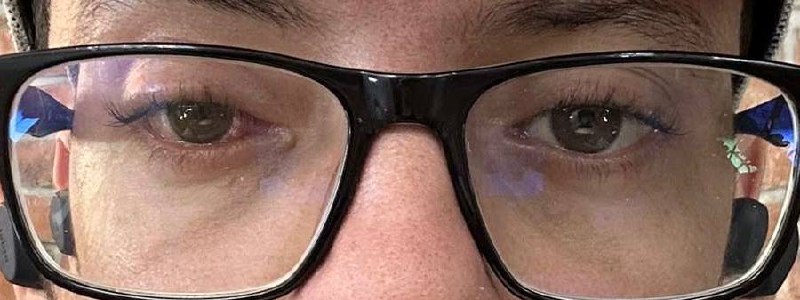
Before my surgery, I searched everywhere for one thing: someone telling me honestly what it would feel like. Not the medical explanation of what the surgeon does, but the patient side. Waking up, the first night, the redness, the screens. I could not find those answers then, so I am writing them now.
These are the questions I had before my own strabismus surgery, answered from my actual experience. The usual note applies: I am not a doctor, this is one patient’s story, and your case is different from mine. For medical answers, talk to a qualified ophthalmologist. If you want the full story of how I got to the operating table in the first place, it is in my complete surgery experience.
What did it actually feel like when I woke up?
Honestly, my imagination was far worse than the reality. Before the surgery, I was convinced it would be painful. When you picture an operation happening on the eye itself, your brain fills in the rest, and it does not fill it in kindly.
The reality: the operation took about thirty minutes, and when I woke up I felt almost nothing. No sharp pain, no throbbing. Just a discomfort, like a few little grains of sand had dropped into my eye. That gritty, foreign-body feeling was the main sensation, and that was it.
One thing that surprised me is that my eye was not even red at first. The redness came later, in the evening and over the next days.
How bad was the pain, really?
On a scale from one to ten, I would put it at a three. I did not need painkillers at any point, not even on the first day.
The only thing I noticed was that I wanted to look straight ahead. Looking to the sides felt like stretching the muscles that had just been operated on, and that stretch caused a small pull of pain. So for the first days I simply moved my head instead of my eyes. Looking straight felt completely fine.
Could I open my eye?
Yes. I could open my eye within the first hour after waking up, which I had not expected at all.
The real nuisance was not the opening but the discharge. A sticky discharge kept coming out of the eye, and every morning I would wake up with the eye glued shut by it. I just had to clean it gently and then everything was fine. It sounds worse than it is, but nobody warned me about it, so I am warning you: the sticky mornings were the most annoying part of my first week, not the pain.
What was the first night like?
The first night was the least comfortable one, and not because of the eye.
I became obsessed with one fear: scratching my eye in my sleep. So I built myself a ridiculous setup. I wrapped myself between two pillows so I could not roll over, and I kept my arms inside my sweater so my hands could not reach my face. It worked, but I did not sleep well inside my own straitjacket.
The good news is that I had already ordered plastic eye shields before the surgery, the kind with adhesive strips that tape around the eye. They arrived the next day, and from the second night onward I slept comfortably with the shield on. If I could give one practical tip to my past self, it would be this: order the shields early enough that you have them for the very first night.
How long until I could comfortably look at a screen?
I did not look at a screen for the entire first week. No phone, no computer, no TV. I spent that week mostly meditating and thinking about my life, which sounds like a joke but is genuinely what I did. The days are long without screens, so prepare audiobooks or podcasts in advance.
From the second week I started using screens again without problems. If you are wondering about work, driving, and screen time in more detail, I wrote a full guide on getting back to driving, work, and screens. In my case, I took two weeks of sick leave and was back to my normal routine by week three.
How frightening was the redness?
It was really red. There is no way around that, and if you are not prepared for it, the mirror can be alarming in the first days.
But here is the part that matters: it fades, just slowly. The redness did not disappear overnight or even in a week. It faded out gradually, and after about two months I had no redness at all. The key thing I kept reminding myself was that the redness is the healing, not the result. My eye was already straight underneath all that red.
Did I have double vision afterward?
No, none at all. My vision was fine from the start, and I never had a moment of seeing double.
I know from talking to others that some adults do get temporary double vision while the brain adjusts to the new eye position, so my experience is not a guarantee. But it is proof that surgery does not automatically mean double vision. If that risk worries you, I covered it properly in my post on double vision and strabismus.
When did I feel comfortable going outside?
After one week. My doctors recommended staying home for the first week to avoid any risk of infection, so I followed that. From the second week I started going out normally.
Did the result look right immediately, or did it change while healing?
Both, in the best possible way. The alignment looked right immediately. From the first day, my eye was straight in the mirror, even with all the redness around it.
And then it kept getting better. At my one-month checkup, they measured the deviation in prism diopters and it had improved. At the two-month checkup it had improved again, and my doctors described the strabismus as not visible anymore. So the result I saw on day one was real, and the healing months only refined it.
What do I wish I had known beforehand?
That the fear was the worst part. I spent the days before surgery imagining pain that never came. Thirty minutes of operation, a three out of ten discomfort, no painkillers needed. If someone had told me that in plain words beforehand, I would have lost a lot less sleep.
The small practical things would have helped too: the sticky discharge in the mornings, the value of having eye shields ready for the first night, and how long the redness takes to fade. None of it is scary once you know it is coming.
Was the emotional experience different from what I expected?
Yes, in a way I did not see coming. I expected relief, but I did not expect the staring.
After the surgery, I kept catching myself just looking at my own face. When you have spent years with an eye that drifts, you are not used to seeing yourself with straight eyes. Suddenly the person in the mirror looks back at you the way you always imagined, and it takes time to believe it. It was a real relief, deeper than I had prepared for.
If you want the week-by-week version of everything above, my recovery timeline goes through it in order. And if reading this has raised questions about your own situation, I offer a free 30-minute consultation where we can talk them through. I am not a doctor, just someone who sat with these exact questions before surgery and now knows how they turned out.
Keep reading

My Strabismus Surgery Experience: The Full Honest Story
My complete strabismus surgery experience in Estonia: the decision, surgery day, week-by-week recovery, and the real results four months later.
Read the article →
Driving After Strabismus Surgery: Work, Screens & More
Driving after strabismus surgery, plus returning to work, screens, exercise, and flying - realistic recovery timelines for every part of normal life.
Read the article →
Strabismus Surgery Recovery Timeline: Day 1 to Month 6
A realistic strabismus surgery recovery timeline from a patient: what is normal on day 1, week 1, and beyond, plus red flags and tips that helped me heal.
Read the article →