My Strabismus Surgery Experience: The Full Honest Story

When I finally decided to share my strabismus surgery experience, I wanted to give people what I could not find online when I needed it: an honest, complete story from start to finish. Not just the recovery tips, but the whole arc, how I ended up on that operating table, what the surgery was actually like, and what happened in the months after.
Quick but important note before we start: I am not a doctor or medical professional. This is one patient’s story. Your case is different from mine, so please talk to a qualified ophthalmologist about your own situation.
Where My Strabismus Came From
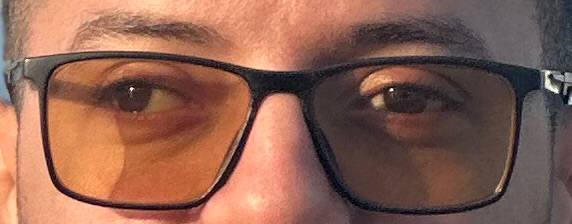
My strabismus started when I was 10, after an eye trauma. The injury did more than turn my eye: it left a scar on my retina, and that eye has only about 3 out of 10 vision. If I close my good eye, I can actually see the scar itself, it is shaped like a Nike swoosh, sitting right in my field of vision. Strangely, with both eyes open I never notice it at all. The brain’s fusion hides the blind spot completely, which still amazes me.
The type I had is called exotropia: the injured eye drifted outward. It drifted more when I was tired, more in photos, more whenever it mattered most. I lived with it for years, building small habits around it without ever really questioning whether anything could be done.
How It Started: Eye Strain and an Unexpected Referral
About a year before my surgery, I started feeling more strain in my eyes than usual. I was playing video games from time to time, and my eyes felt genuinely exhausted afterward. So I scheduled an appointment with an ophthalmologist, earlier than my routine checkup, just to see what was going on.
During that visit, I explained my full history, from the childhood injury until now. The doctor listened and then told me something I had not expected: he recommended I go to the public hospital, because they were better equipped to help with my condition.
He also explained something that reframed years of tiredness for me. The strain I was feeling came from my brain focusing on only one eye and dismissing the other. That is what strabismus does, and that is why I felt so drained after visually demanding tasks.
The Checkups Before Surgery
What followed was a series of appointments at the public hospital system, in my case, the East Tallinn Central Hospital Eye Clinic in Estonia. It was not quick, but it was thorough.
First, I had an initial examination. Then they booked me with an orthoptist, the specialist who measures exactly how far the eye drifts. After those measurements, I went back to the doctor for another examination. Then back to the orthoptist again for a second set of measurements.
This double-checking might seem excessive, but the numbers decide how much muscle correction you need, so they wanted to be certain before recommending surgery. Only after all of that did they book my appointment with the surgeon.
The Surgeon Consultation: A Difficult Conversation
Meeting the surgeon was the moment everything became real.
She looked at my case and was honest with me: the surgery was not guaranteed to work. Because I had lived with exotropia since I was 10, my brain had adapted to seeing a certain way, and there was no certainty it would readjust after surgery.
My drift was significant, around 60 prism diopters. That is a large deviation.
I was hesitant. Afraid. I asked her directly whether I should do it. Her recommendation was clear: yes. If I did nothing, my eye would keep drifting, potentially getting worse over time. I went home, weighed the risks and complications carefully, and decided that I was already living with a condition that affected my confidence and my daily life. Nothing could be worse than staying where I was. I scheduled the surgery for two months later.
Preparing for Surgery While Living Alone
Here is something that worried me more than the operation itself: I live alone. I was afraid I would need help during recovery, especially in the first days.
So I planned everything carefully:
- Took two weeks off work as sick leave
- Pre-cooked meals to cover four days so I would not need to cook while recovering
- Bought all the supplies I would need: a shower shield, a hard protective eye patch for sleeping, and sunglasses
- Made sure my home was comfortable and ready for rest
If you are preparing for surgery and live alone, planning ahead makes a huge difference. You will not want to think about food or errands during those first days. My full surgery prep checklist covers everything I gathered beforehand.
Surgery Day: Easier Than I Feared
The day of surgery, I went to the hospital expecting it to be painful and scary. I was wrong.
The team took me to the pre-op area and asked the routine questions. Any allergies? Any conditions they should know about? Everything standard. Then came the anesthesia. Thirty minutes later, I was awake, and the surgery was done.
The operation itself was on two muscles of my injured eye: the lateral rectus, the outer muscle, was weakened, and the medial rectus, the inner muscle, was strengthened. My surgeon used standard fixed stitches, no adjustable sutures. The medical team told me before wheeling me out that everything had gone well.
They moved me to a recovery area where I rested for about an hour, still sleepy. Then I had lunch at the hospital, and by 4 or 5 in the afternoon I was heading home. The surgery itself turned out to be the easiest part of the whole experience.
The First Week: Discomfort, Not Pain
Everyone asks about pain, so let me be precise: the first week was the hardest part of my recovery, but not because it hurt. I would rate the pain at about 3 out of 10.
What actually made it hard was everything around the pain. My eye produced a jelly-like discharge instead of normal tears, and every single morning I woke up with sticky eyelids that needed slow, careful cleaning before I could properly open the eye. Moving the eye felt strange while the muscles healed, looking straight ahead was fine, but turning the eye to either side brought an odd pulling discomfort.
The hospital gave me antibiotic eye drops to use three times a day, and following that schedule strictly was important to prevent infection.
The rest of week one was about protection:
- No screens: I did not watch TV, use my computer, or look at my phone for about a week. Download audiobooks or podcasts ahead of time, because the days get long.
- No water on the eye for two weeks: I bought a plastic shower visor that attaches to the forehead and keeps water off your face while you wash. One of the best purchases I made.
- A hard eye patch at night: not the fabric pirate kind, but a solid protective shell, so you cannot scratch the eye in your sleep without realizing it.
- Staying home: no gym, no crowded places, nothing that raised the risk of infection.
Week 2: Short Walks and Fading Redness
It was summer when I had my surgery, and after about a week I started taking short walks outside. The sun made my eye a bit itchy, but it was acceptable for that stage of healing.
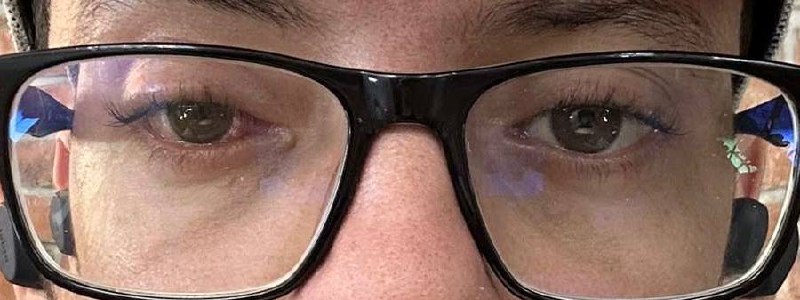
The eye was still red, not the entire eye, but noticeable redness on the sides where the surgeon had worked on the muscles. The discharge was still around too, though less each day. All of it, my doctors assured me, was completely normal healing.
Week 3: Back to Normal Life
By week three, I was back to my normal routine: work, computer, phone, all of it. If you are trying to plan your own return, I wrote a separate guide on driving, work, and screens after strabismus surgery with the milestones that mattered most. The redness was fading steadily from angry to pink, and by the end of the first month my eye looked mostly normal again.
The one exception was exercise. My surgeon told me to stay out of the gym for two full months, and I followed that instruction to the letter. Sweat, strain, and a healing eye are a bad combination, and two months felt like a small price for protecting the result. If you want the stage-by-stage detail of how this healing unfolds, I map it all out in my recovery timeline.
If reading my story has raised questions about your own, I offer a free 30-minute consultation where we can talk them through. I am not a doctor, just a patient who has lived this whole arc, and I am glad to share the parts that never make it into an article.
Months 2-4: The Results Keep Improving
Here is something important that nobody told me clearly enough beforehand: the more time you give your eye, the better it gets.
You see results immediately, the alignment is visibly different from day one. But it keeps improving, month after month. My follow-up measurements with the orthoptist told the story in numbers:
- Before surgery: around 60 prism diopters
- First follow-up: around 18 prism diopters
- Two months later: around 14 prism diopters
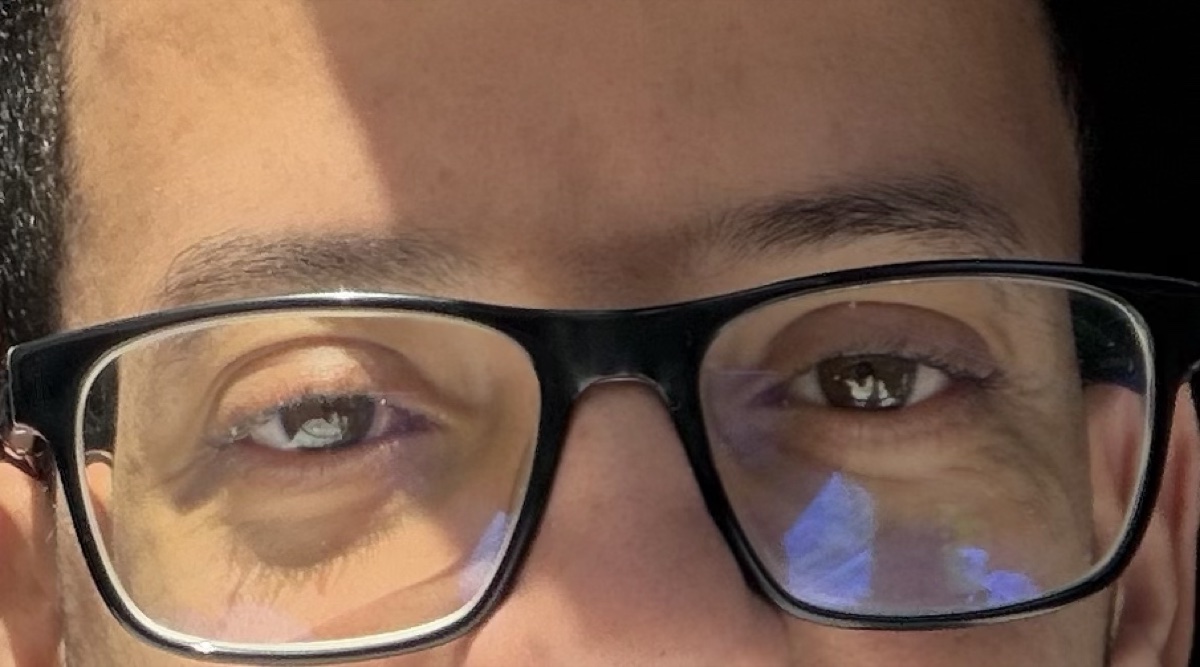
Anything under about 15 prism diopters is generally not noticeable to other people. My eyes looked straight.
The peak, stabilized result arrived around month four. By that point everything had healed, the alignment was steady, and there was no discomfort, no redness, nothing to suggest I had ever had surgery.
What I Wish I Had Known: Practical Tips
Based on my complete experience, here is what I would tell anyone preparing for this:
1. Buy supplies before surgery
Shower shield, hard eye patch for sleeping, sunglasses for light sensitivity. Having them ready before surgery day removes stress when you need it least.
2. Prepare seriously if you live alone
Take enough time off work, two weeks was right for me. Pre-cook meals or arrange delivery for the first few days. You will not feel like cooking.
3. The surgery itself is the easy part
Thirty minutes under anesthesia, and it is done. The preparation and the recovery require far more effort than the procedure.
4. Trust the healing process
Redness is normal. Jelly-like discharge is normal. Sticky mornings are normal. Strange sensations when moving the eye are normal. Your eye looks worse before it looks better. Give it time.
5. Do not judge the result early
Not in week one, not even in month one. My best result appeared around month four. Patience is part of the recovery.
Was It Worth It?
Absolutely. Without hesitation.
I lived with exotropia from the age of 10, and my surgeon was not even sure my brain would adapt after all that time. But it did. The drift that once measured 60 prism diopters is now invisible, my eyes look straight, and the daily strain of my brain fighting a misaligned eye is gone.
The recovery is real. The sticky mornings, the drops, the patience, all real. But so is the transformation. If any part of my story sounds like yours, I hope it helps you walk into that first appointment with clearer eyes than I had.
Frequently Asked Questions
What is strabismus surgery actually like on the day?
For me it was a half-day hospital visit: routine pre-op questions, general anesthesia, and waking up about thirty minutes later with the operation already done. I rested for an hour, had lunch at the hospital, and was heading home by late afternoon.
Does strabismus surgery hurt afterward?
I would call it discomfort rather than pain, about 3 out of 10. Looking straight ahead felt fine, but moving my eye to the sides felt strange while the muscles healed. The hardest part of my first week was actually the discharge and sticky eyes every morning, not pain.
How long until your eye looked normal after strabismus surgery?
My eye was noticeably red for about two weeks, mostly on the sides where the surgeon worked on the muscles. The redness faded steadily, and by the end of the first month my eye looked mostly normal. The alignment itself was visibly straighter from day one.
How long were you off work after strabismus surgery?
I took two weeks of sick leave and avoided screens almost entirely for the first week. By week three I was back to my normal routine, including work, computer, and phone. My surgeon told me to stay out of the gym for two full months.
How soon did you see final results from strabismus surgery?
The improvement was visible immediately, but the result kept getting better for months. My deviation went from around 60 prism diopters before surgery to about 14 two months later, and the peak, stabilized result arrived around month four.
Can strabismus surgery still work if you have had it since childhood?
In my case, yes. I had lived with exotropia since I was 10, and my surgeon was honest that success was not guaranteed because my brain had adapted for so long. It worked anyway: my eyes have been aligned since, and I only wish I had asked about surgery sooner.
Keep reading
What Strabismus Surgery Actually Feels Like: My Honest Answers
Waking up from strabismus surgery, the real pain level, the first night, the redness, and when my eye looked normal again, answered from my own experience.
Read the article →
Driving After Strabismus Surgery: Work, Screens & More
Driving after strabismus surgery, plus returning to work, screens, exercise, and flying - realistic recovery timelines for every part of normal life.
Read the article →
Strabismus Surgery Recovery Timeline: Day 1 to Month 6
A realistic strabismus surgery recovery timeline from a patient: what is normal on day 1, week 1, and beyond, plus red flags and tips that helped me heal.
Read the article →